
Why leads slip through
Leads slip through because the “inbox” is imaginary in most small businesses. A customer fills out a website form, someone else calls from Google, another person texts the number they found on a directory, and a fourth messages on social. Each channel feels manageable until you’re on a job, with gloves on, or stuck in back-to-back appointments. Then follow-up becomes a memory test, and the best leads are usually the first to disappear.
In 2026, this problem is getting worse for one simple reason: discovery is spread out. Google still matters, but people also find businesses through Apple Maps, Bing, and AI assistants that summarize options without sending as much traffic to websites. That means you’re getting more “quick intent” contacts — calls and messages — and they expect a quick response. If the first interaction feels slow or confusing, they don’t complain; they just move on.
There’s also a quality problem hiding inside the speed problem. When leads arrive in multiple places, staff start qualifying them differently, writing notes in different ways, and forgetting to log outcomes. That creates a pipeline that looks healthy but isn’t, because you can’t reliably answer basic questions like “How many calls turned into booked appointments last week?” A system fixes that by making capture and response consistent, not heroic.
The simple architecture we use
We only trust systems that stay simple when business gets chaotic. Our approach is one intake layer, one routing layer, one source-of-truth list, and one follow-up engine. That’s it. Every extra “mini inbox” that someone checks “sometimes” is where leads go to die.
Think of it like plumbing. Intake is every faucet customers use to reach you: forms, calls, and messages. Routing is the set of valves that decides where the lead goes, who owns it, and how fast it must be answered. The source of truth is the one place you can open and say, “Here are all open opportunities, and here’s what happened.” The follow-up engine is the part that responds immediately and keeps nudging until the person books or clearly opts out.
If we can’t see every lead in one place, we don’t actually have a pipeline — we have hope.
This architecture matters because it removes dependence on one person’s availability. When the office manager is out, when the owner is on-site, or when the phone rings during lunch, the system still captures and responds. That’s the goal: reliable follow-up, even on your messiest day.
Case study: the missed-lead mess
Here’s the case study pattern we see constantly with local service businesses under 20 employees. They’re busy, their work is solid, and demand exists, but lead handling is scattered. Website forms go to a shared email, missed calls go to voicemail, and someone occasionally checks social messages at night. The owner assumes the office is handling it, and the office assumes the owner will call back “the good ones.”
The cost shows up in real dollars. Missing even two jobs a month can easily mean $1,000 to $10,000 in lost revenue depending on your average ticket, and it’s usually the high-intent leads that vanish first. Worse, slow follow-up wastes labor because staff spend time chasing people who already booked elsewhere. Most businesses don’t notice the leak because there’s no single list that shows “new lead → first response time → booked or lost.”
In this case study, the business had three recurring issues: duplicate leads (same person called and filled a form), no consistent qualification, and response times that ranged from two minutes to two days. The fix wasn’t hiring. The fix was building a system with a two-minute response expectation, clear ownership, and automatic logging so we could see what was happening. Once that was in place, the team stopped arguing about “who dropped it” because the system made it obvious.
Layer one: capture everything
Intake is the foundation, and it has one job: catch every inquiry and standardize the data. We set up a single “lead entry” for each channel so whether someone calls, submits a form, or clicks a button from a Google Business Profile, it turns into the same kind of record. That record needs basic contact info, the service they want, and how fast they need it. If your intake doesn’t collect those three things, your follow-up will always be messy.
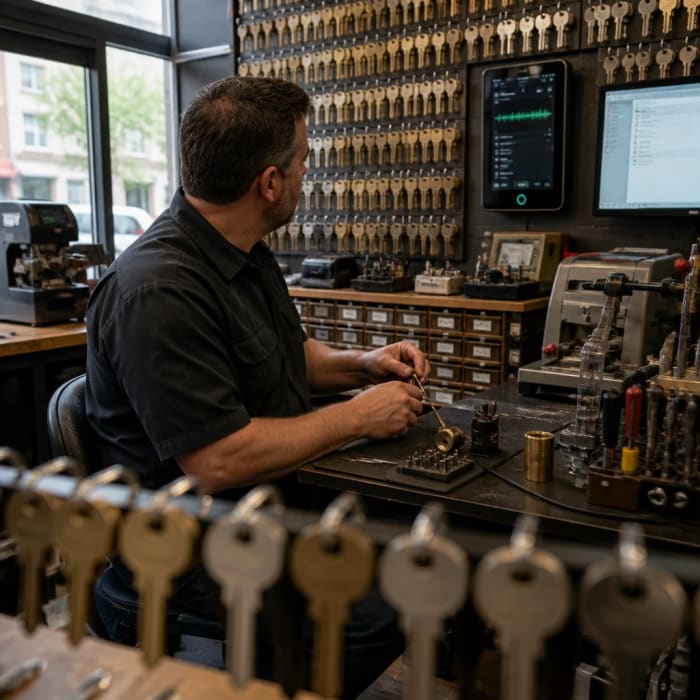
We also use short-form video as an intake booster, not a magic ranking trick. HubSpot’s 2026 State of Marketing report calls short-form video the highest-ROI format, and we see why: it reduces uncertainty fast. A 30–60 second video showing your process, your team, or what happens after someone contacts you tends to increase conversion because people feel like they know what they’re stepping into. The key is to attach a clear next step right under the video: “Text us,” “Call now,” or “Request a quote,” so attention becomes a lead instead of a like.
Finally, calls need a real capture plan, not just voicemail. Many of the highest-intent leads still call first, especially from Google Business Profile, where clicks-to-call are common. If nobody answers, the lead didn’t “fail to convert” — you failed to capture. That’s why we often put our AI voice receptionist in front of inbound calls, so every caller gets greeted, their details get captured, and the conversation turns into a logged lead even when the team is busy.
Layer two: qualify and enrich
Once a lead is captured, we qualify it the same way every time. “Qualify” just means we collect the few details that determine whether this is a fit and what should happen next. For a local service business, it’s usually service type, location, timeline, and budget range or minimum. If those aren’t known, the lead shouldn’t go into a salesperson’s lap yet; it should go into a quick clarification loop.
This is where automation saves real time. Instead of a staff member asking the same questions all day, we use AI automation to send a short, friendly message that asks for missing details and then updates the lead record automatically. When the person replies, the system attaches that reply to the lead and moves it forward. In most businesses, this step alone saves a few hours a week and prevents “half-leads” from clogging the schedule.
We also enrich the lead quietly in the background. If the lead came from a form, we keep the page they were on and the service they clicked, because that’s often the clearest statement of intent. If it came from a call, we log the call outcome and any captured notes from the AI voice receptionist. If it came from a message, we store the thread in the same place, so nobody is digging through phones later.
- Fit check: Are they in our service area and requesting a service we actually offer?
- Urgency check: Is this “today/tomorrow,” “this week,” or “just researching”?
- Value check: Do they meet a minimum job size, or are they asking for something outside scope?
- Contact preference: Do they want a call back, a text, or an email?
Layer three: route with rules
Routing is where most businesses rely on vibes. Someone forwards an email, someone screenshots a message, someone says “I’ll handle it,” and nothing is tracked. We route with rules so it’s predictable: every lead gets an owner, a response deadline, and a next step. If a lead has no owner, it’s not a lead — it’s a loose note.
We set simple response expectations that match buyer behavior now. In many local categories, the first business to respond wins a big share of the bookings, especially when the customer is contacting two or three places at once. Our standard is an automated first response in under two minutes, then a human follow-up when needed. The two-minute piece matters because it confirms you’re real and tells the customer exactly what happens next.
Routing rules also protect the owner’s time. High-intent leads can go to the person best equipped to close them, while low-fit leads can be handled with a polite “not a fit” response that still protects your reputation. We also route by service line and location so your team doesn’t spend time on jobs you can’t take. That’s how we keep pipeline data reliable: the same kinds of leads flow to the same places every time.
Speed gets you considered. Clarity gets you booked.
Follow-up engine: reply in minutes
The follow-up engine is the part most owners want, but it only works if intake and routing are clean. We build it as a set of pre-written reply templates plus AI-driven personalization that pulls from the lead record. The message sounds human because it references what they asked for and offers two clear paths: book now or ask a quick question. The goal isn’t to “sell” in the first reply; it’s to get a conversation started immediately.

We’re careful about not letting automation become spam. Follow-up should stop when someone books, opts out, or clearly goes cold after a reasonable number of attempts. We typically use a short sequence over a few days, with the tone staying helpful instead of naggy. The system also escalates to a human when there’s buying intent, confusion, or anything emotional — because automation is great at speed, but humans close deals.
- Instant acknowledgement: Confirms receipt and sets expectations in under two minutes.
- One qualifying question: Asks the single missing detail that blocks booking.
- Booking link: Offers a specific time-based next step, not “let us know.”
- Human handoff trigger: Alerts a team member when the lead is hot or needs nuance.
Booking and logging, automatically
Booking is where many systems fall apart because it’s treated like a separate world. We don’t want “messaging over here” and “calendar over there” with no connection. When a lead books, the system should update the lead status automatically, notify the right person, and store the appointment details. That way you can look back and see what sources actually turn into scheduled work.
This is also where we prevent double-booking and internal confusion. The booking page needs to show real availability, ask only what’s needed, and send confirmations immediately. If you’re using a team calendar, the system has to know which tech or provider is assigned and where the job is located. We keep it simple: fewer appointment types, clearer rules, and confirmations that include the customer’s next step.
Logging matters because it’s your memory. If a lead doesn’t book, we want a reason attached: too expensive, wrong area, didn’t respond, booked competitor, timing. Those reasons help you fix the business, not just chase more leads. Without that, it’s easy to pour money into “getting more inquiries” while the real problem is that your response process is inconsistent.
Non-obvious details that matter
In 2026, the details that keep automation working are the boring ones. Consent and compliance matter because texting or emailing people without proper permission can get you blocked or reported, which hurts deliverability. We build intake so the customer clearly agrees to be contacted, and we always include an easy way to stop messages. This protects your brand and keeps your messages landing where they should.
Deliverability safeguards are also a real thing now. If your emails look like bulk blasts or your texts fire too aggressively, carriers and inboxes can throttle you. We stagger follow-ups, keep templates natural, and avoid “marketing language” that triggers filters. It’s not about tricking systems; it’s about behaving like a normal business having normal conversations.
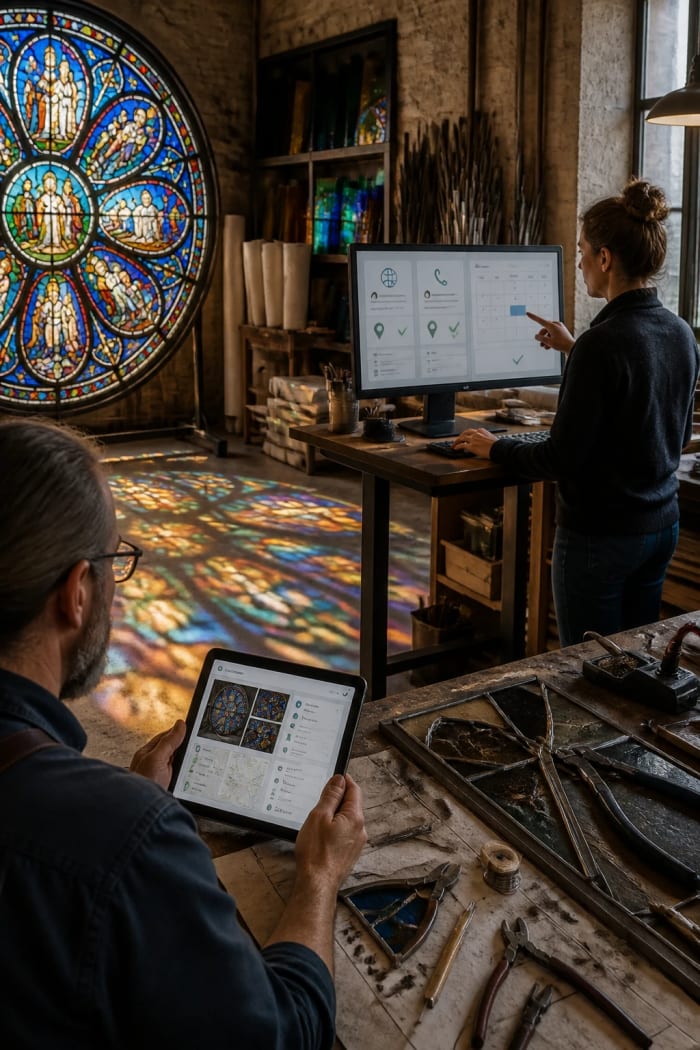
Finally, we set human handoff triggers on purpose. If someone says “I’m ready to book,” asks about pricing, mentions a problem that sounds urgent, or gets frustrated, automation steps back. The system alerts a real person with the full context so the customer doesn’t have to repeat themselves. That’s how we keep close rates healthy while still getting the speed benefits of automation.
- Consent captured: Clear permission to text/email, with easy opt-out.
- Channel matching: Reply where they reached you first when possible.
- Duplicate merging: One customer, one record, one conversation thread.
- Handoff rules: Hot leads and complex cases go to a human immediately.
What to do this week
If you do nothing else, pick one place that becomes “the list.” Every lead—form, call, message—must land there automatically, or your follow-up will always depend on someone’s memory. Then set one simple expectation: every new lead gets an acknowledgement in under two minutes during business hours. You don’t need fancy tech to start; you need consistency and ownership.
Next, tighten your intake so it collects the minimum details that make follow-up easy: what they need, where they are, and how soon. If your website form is long, shorten it and add a clear next step. If you’re missing calls, decide how you’ll capture them when you can’t answer. In a lot of local businesses, that one fix is the difference between “busy” and “booked out.”
If you want us to build this for you, we can do it in three pieces. Our AI voice receptionist answers inbound calls and captures details so missed calls still become logged leads. Our AI automation connects your forms, inbox, lead list, and scheduling so replies go out in under two minutes and hand off to a human when it counts. If your website is part of the leak, our custom website design gives you a fast, mobile-first intake that’s built to rank in local search results and convert visitors into booked appointments.
This week, write down every place leads currently show up, circle the ones that get missed, and then reach out to us to map your “capture → respond → book → log” flow into one system you can actually trust.