A familiar lead-loss scenario
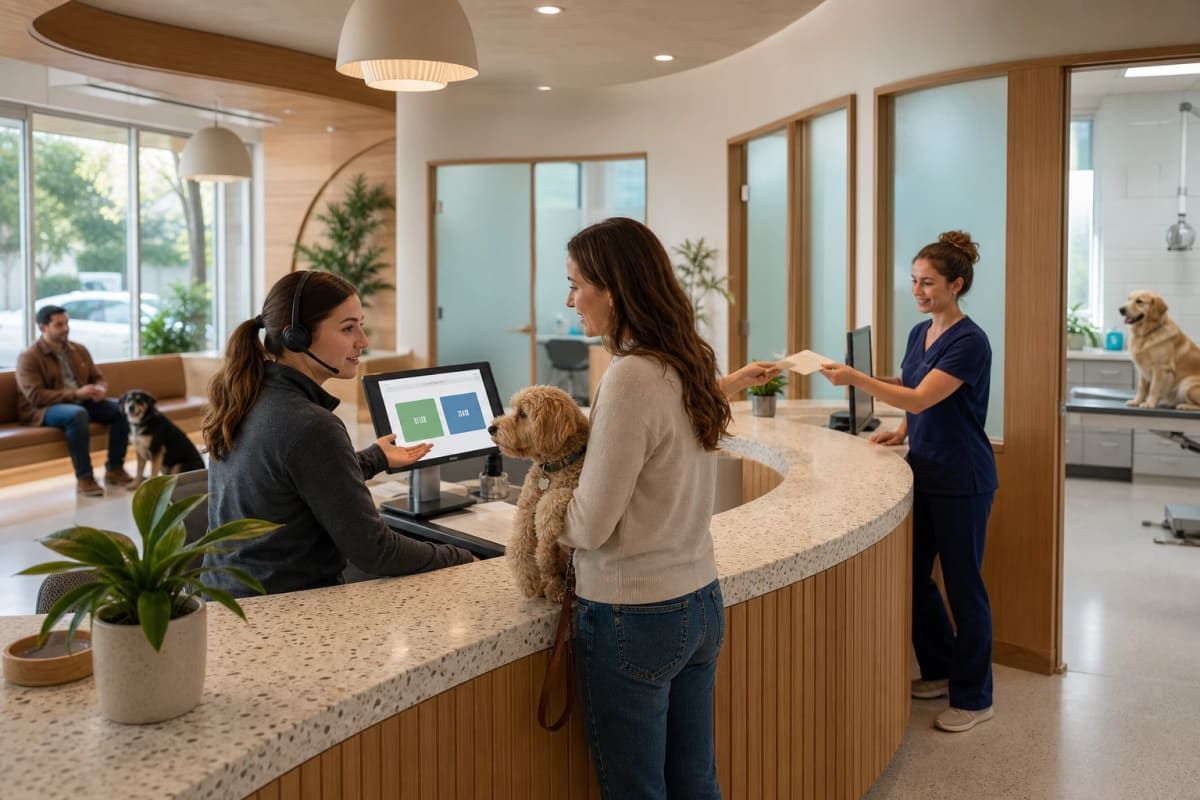
Picture a local service business on a Tuesday. A prospect calls during a job, so it goes to voicemail and they hang up. Ten minutes later the same person fills out the website form asking for a price range and availability. Someone on the team replies later that afternoon with, “Thanks for reaching out—when can we call you?”
That looks like follow-up, but it isn’t a next step. The prospect now has homework: reply back with times, wait again, and hope it lines up. Meanwhile, they’ve contacted two competitors, and one of them offered a specific appointment window right away. No drama, no complaint, no bad review—your lead just quietly disappears.
This is why most businesses “feel” like leads are flaky in 2026. People aren’t necessarily less serious; they’re less patient with friction. They expect a quick, clear path from question to outcome, especially on mobile. If the second touch is slow, vague, or inconsistent, the prospect interprets it as how the whole job will go.
Leak one: second-touch delay
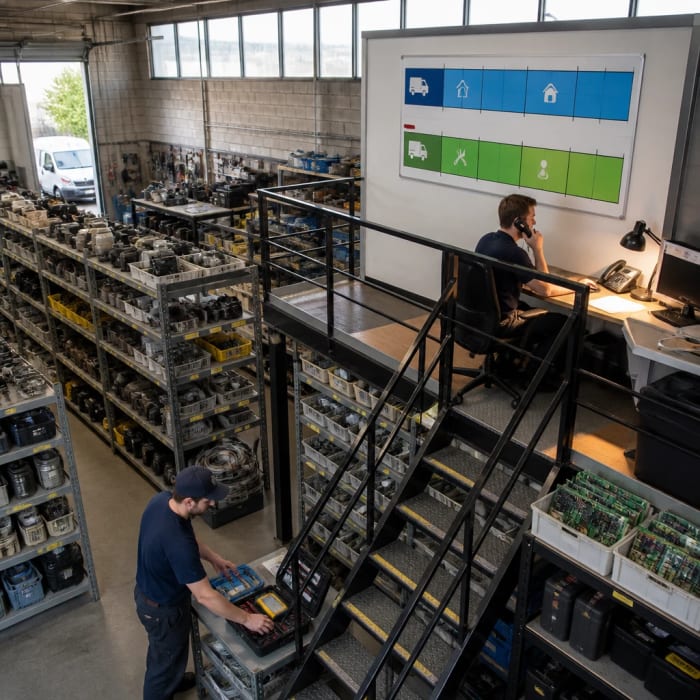
The first major leak is time-to-second-touch, meaning how long it takes to re-engage after the initial contact. Many teams respond once and assume the prospect will drive the process from there. In reality, the first reply is often just acknowledgment, not progress. If the next touch comes hours—or a day—later, the lead temperature drops fast.
Delays happen for normal reasons: techs are on jobs, the office is busy, and everyone is juggling. The problem is that leads don’t wait for your internal schedule. A person who’s dealing with a leaking pipe, a broken AC, or a sick pet is going to choose the business that gives them the clearest next step first. Speed doesn’t win because it’s “salesy”; it wins because it reduces uncertainty.
Economically, even small delays can hurt more than owners expect. If you get 40 leads a month and only a handful turn into real booked work, losing just two good ones could be the difference between a slow week and a full schedule. And because average conversion is low to begin with, you rarely have enough surplus to shrug off missed follow-ups. The second touch is where you protect your limited supply of real opportunities.
Most leads don’t ghost you. They just get helped by someone else while you’re waiting to “circle back.”
Leak two: handoffs drop balls
The second leak is handoffs—when one person or channel passes a lead to another. The classic example is a call that turns into a voicemail, then a form submission, then a text, then a social message. If those touchpoints live in different inboxes, different phones, or different people’s memory, the lead becomes everyone’s responsibility and no one’s job. That’s when the ball gets dropped without anyone noticing.
Handoffs also fail inside the business. The office takes the message, but the technician who should respond doesn’t see it until evening. A salesperson follows up, but doesn’t know what the receptionist already promised. Or the owner jumps in mid-thread and resets the conversation, forcing the prospect to repeat themselves. Every reset adds friction and makes the business look disorganized, even if the actual work quality is excellent.
The fix isn’t perfection; it’s ownership. Every lead needs a clearly assigned “next human”—even if the next step is automated at first. When there’s no owner, there’s no deadline, and when there’s no deadline, the second touch becomes “whenever we get to it.” That’s how good leads fall into the cracks between a busy phone and a busy day.
We see this most when businesses add channels without designing the follow-up process. They add a web form, then a chat widget, then a booking link, then DMs—each one creates another place a lead can sit unclaimed. More ways to contact you only helps if every path leads to the same fast second touch.
Leak three: intent mismatch
The third leak is message and offer mismatch: the first interaction doesn’t match what the prospect is trying to do. Someone asks, “Can you come this week?” and you reply with a generic paragraph about your company history. Someone wants a rough price range and you insist on a long form before giving any guidance. Someone calls for emergency service and they hear a menu that sounds like a corporate help desk. Each mismatch feels small, but it signals “this will be harder than it needs to be.”
This happens a lot when your website and your phone flow aren’t aligned. Your site may be ranking well locally, and in 2026 that’s often driven by a strong Google Business Profile and reviews. In fact, Google Business Profile signals are frequently cited as about 32% of local pack influence, and many of the top controllable factors come directly from that profile. That visibility is great, but it also means you’re attracting high-intent local searchers who expect fast answers, accurate hours, and a clear path to booking.
If the first interaction doesn’t honor that intent, your conversion rate stays stuck. Remember: average website conversion is roughly 1.7%, while top-performing sites can reach double digits. The gap isn’t magic; it’s usually clarity, trust, and less friction. When a lead shows up ready to act, the business has to meet them with a next step that feels obvious and easy.

Define a Second Touch SLA
If you want one simple system that stops the bleed, build what we call a Second Touch SLA. It’s not a corporate policy; it’s a promise you make internally about what happens after first contact. It answers three questions: who owns the second touch, by when it must happen, and what message and call-to-action it must include. Without those three, follow-up becomes personality-driven and inconsistent.
Good news: this doesn’t need to be complicated. Most local service businesses can run on a few rules that cover 90% of situations. You’re not trying to create a perfect customer journey; you’re trying to prevent leads from getting stuck. Consistency beats creativity here because prospects don’t want clever—they want certainty.
Here’s a simple Second Touch SLA you can adapt. Keep it short enough that your team will actually follow it, and strict enough that it creates momentum. If a rule feels “too rigid,” that’s usually a sign you’ve been living in the gray zone where leads quietly die.
- Owner: One person is responsible for the second touch, even if they delegate parts of it.
- Deadline: The second touch happens within 15–60 minutes during business hours, and first thing the next morning if after-hours.
- Message: Answer the original question in plain language, then offer two specific next-step options.
- Call-to-action: Every follow-up ends with a scheduled time or a booking link, not “let us know.”
Measure speed, not vibes
Most owners can tell you how many calls came in last week, but not how quickly the business responded the second time. That’s the metric that actually explains why leads went cold. We recommend tracking two simple numbers: how fast you respond the first time, and how fast you deliver the second touch that contains a real next step. You don’t need a complicated dashboard—just a weekly check that keeps everyone honest.
Why both numbers? Because many businesses reply quickly with a generic acknowledgment, then stall. From the lead’s perspective, that stall is the real wait. They didn’t contact you to get a “thanks”—they contacted you to solve a problem, get a price range, or book a time. The second touch is where they decide if you’re easy to work with.
A practical method is to audit a small sample. Pick 10 recent leads from different channels and write down the timestamps: first contact, your first reply, and the moment you offered a scheduled next step. If you see gaps measured in hours, that’s your leak. If you see gaps measured in minutes, but the lead still didn’t book, that’s usually mismatch or friction, not speed.

Automate reminders and escalations
Once your Second Touch SLA is defined, the next step is making it hard to forget. This is where automation shines, not as a fancy experiment but as basic operational hygiene. In 2026, small business AI adoption is past the halfway mark—about 58% report using AI—and most say it’s had a positive impact. The reason is simple: software doesn’t get distracted on a job site or pulled into a walk-in rush.
Automation should do three things and only three things: route the lead to the right owner, remind that owner until the second touch is completed, and escalate if the deadline passes. That’s it. If you try to automate the entire sales process at once, you’ll create a mess nobody trusts. But if you automate the boring parts—nudges, assignments, and follow-up timing—you get consistency without adding headcount.
Your phone line is often the biggest opportunity. Missed calls are not “lost calls” if you have a reliable way to capture the reason for the call, contact info, and urgency, then trigger the right follow-up. Many businesses rely on voicemail, but voicemail is passive and easy to ignore. A system that answers, gathers details, and routes the lead instantly can turn after-hours calls into booked work the next morning.
Automation isn’t about replacing your team. It’s about making sure your best leads don’t depend on someone’s memory.
What to do this week
This week, we want you to focus on one outcome: every lead gets a fast second touch with a scheduled next step. Start by pulling 10 recent leads and identifying which leak cost you the most: delay, handoff gaps, or intent mismatch. Then write a one-page Second Touch SLA your team can follow without asking you questions. If it isn’t simple enough to read in 60 seconds, it won’t get used.
Next, fix the biggest friction point where leads stall. If it’s the website, make the primary call-to-action unmistakable and reduce the form to what you truly need to respond. If it’s the phone, stop relying on voicemail as your plan and make sure every missed call becomes a trackable message with a clear owner. If it’s inconsistency across channels, decide where every channel should land—usually a booking link or a scheduled callback time.
When you’re ready to harden this into a system, we can help in three specific ways. Our AI voice receptionist answers inbound calls and captures details automatically so missed calls don’t turn into missed opportunities. Our AI automation sets up routing, reminders, and escalations so your Second Touch SLA happens on time even when you’re busy. And if your website is the bottleneck, our custom website design builds a locally-focused site that makes the next step clear and easy to take. Pick one channel that’s bleeding leads the most, and reach out to us to set up a second-touch system you can implement before next weekend.